Object Status:
Extant
Accession Date:
By 1799
Primary Source Reference:
Charles Willson Peale, Lecture on Natural History 19. (ca. 1799). Academy of Natural Sciences of Drexel University Archives, coll. 40. / https://ansp.org/research/library/archives/0000-0099/coll0040/
Additional Source Text:
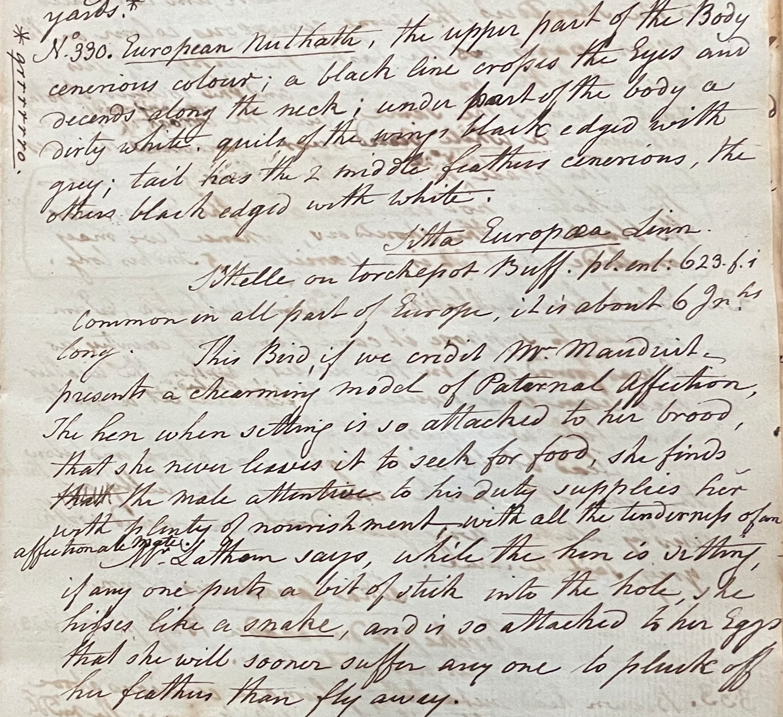
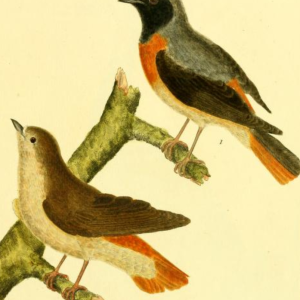
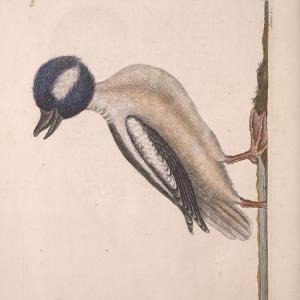
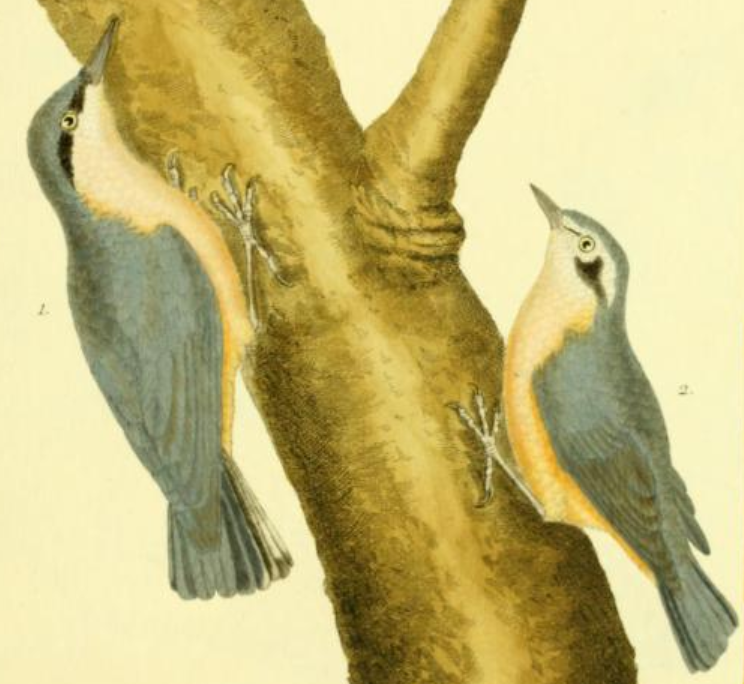
Charles Willson Peale (1741-1827) wrote, in his 19th Lecture (ca. 1799): "No. 330. European Nuthatch, the upper part of the Body cenerious colour; a black line crosses the Eyes and decends along the neck; under part of the body a dirty white; quils of the wings black edged with grey; tail has the 2 middle feathers cenerious, the others black edged with white. Sitta Europaea Linn. L'Sittelle ou torchepot Buff. pl. enl. 623. f. 1. Common in all parts of Europe, it is about 6 [Inches] long. This Bird, if we credit Mr. Manduit, presents a charming model of Paternal affection. The hen when sitting is so attached to her brood, that she never leaves it to seek for food. She finds the male attentive to his duty supplies her with plenty of nourishment, with all the tenderness of an affectionate mate. Mr. Latham says, while the hen is sitting, if anyone puts a bit of stick into the hole, she hisses like a snake, and is so attached to her Eggs that she will sooner suffer any one to pluck off her feathers then fly away." (Academy of Natural Sciences of Drexel University Archives, coll. 40)
Peale wrote, in "A Walk Through the Philad[elphi]a Museum" (1805–1806): "European Nuthatch (Sitta Europea) belongs to Asia as well as Europe. Wags its tail like the Motacilla; builds in holes of trees, stopping up the entrance with clay to a size convenient for the passage of its body. This bird, if we credit Mr. [Manduit], presents a charming model of paternal affection. The hen when sitting is so attached to her brood, that she never leaves it to seek for food, she finds the male attentive to his duty supplying her with plenty of nourishment, with all the tenderness of an affectionate mate. Mr. Latham says, while the hen is sitting, if a bit of sticks is put into the hole, she hisses like a snake, and is so attached to her eggs that she will sooner suffer any one to pluck off her feathers than fly away." (Historical Society of Pennsylvania, coll. 0481)
Notes:
Wilson’s (1808: 40-41, American Ornithology, vol. 1) description of the European nuthatch, from which he distinguished the White-breasted Nuthatch as a different species, was probably based on Peale’s specimen, although he did not explicitly state so.
Specimen Type:
Dead/preserved
Current Common Name:
Eurasian Nuthatch
Current Scientific Name
Sittidae | Sitta europaea